

Cases
How a Drilling Mud Solids Control System Improves Mud Reuse
Time:
2026-07-20
During oil and gas drilling, drilling fluid circulates continuously between the wellbore and the surface mud system. It carries cuttings out of the hole, cools and lubricates the bit, supports wellbore stability, and helps control formation pressure. As drilling continues, cuttings, sand, and fine low-gravity solids enter the mud system. If these solids are not removed in time, mud viscosity, density, pump pressure, and equipment wear can all increase.
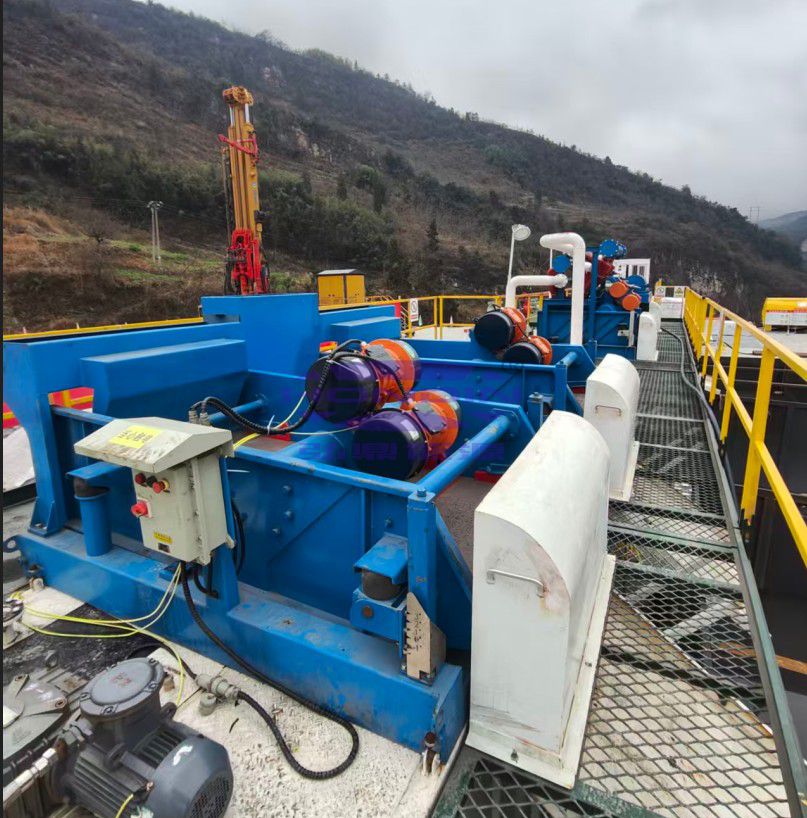
A solids control system is designed to keep drilling fluid properties within a manageable range through continuous and staged solid-liquid separation. The shale shaker is usually the first major separation unit. It removes larger drilled cuttings and reduces the load on downstream equipment. Screen selection, feed distribution, vibration pattern, and regular maintenance all affect the overall performance of the system.
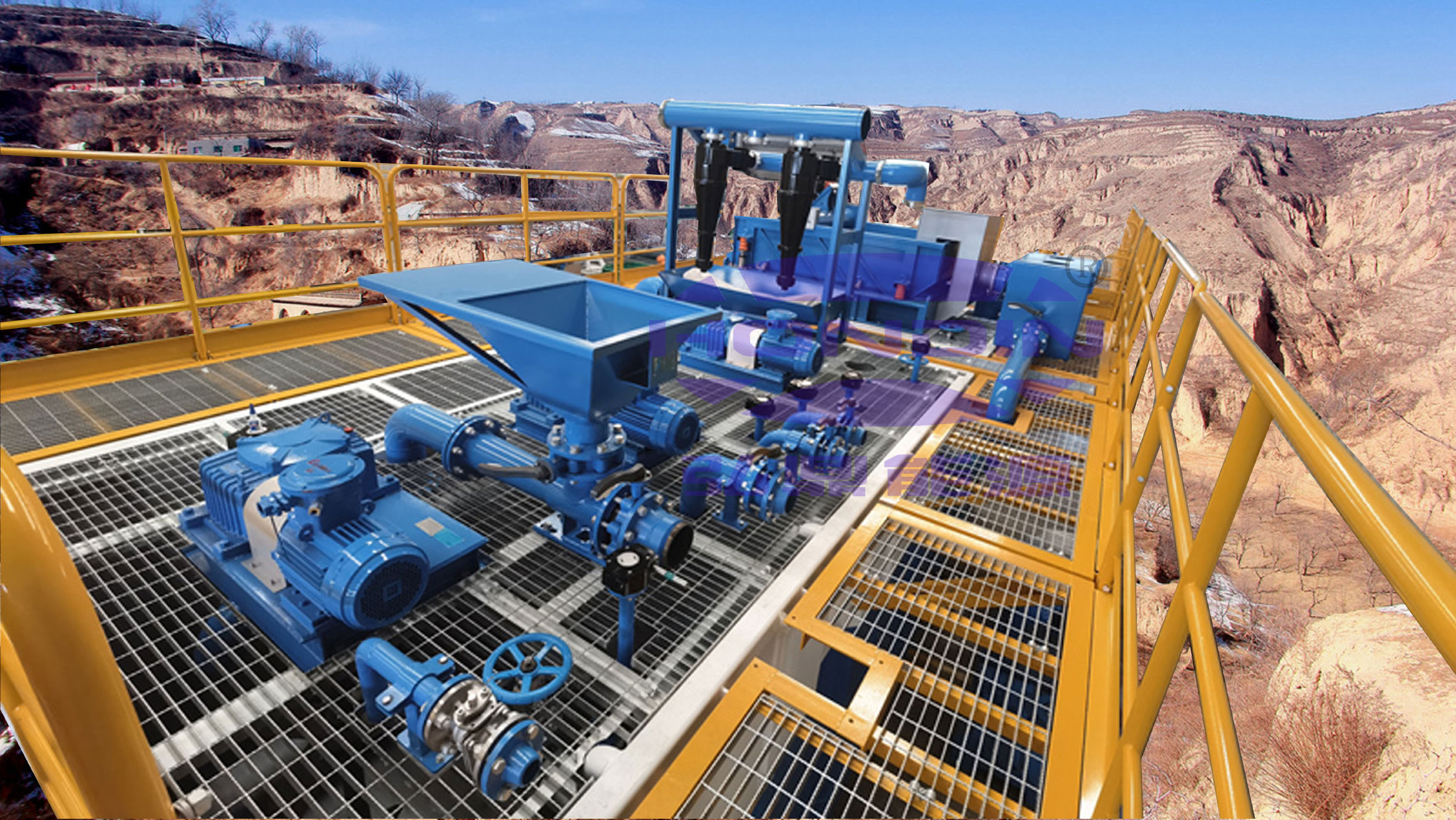
After primary screening, drilling mud still contains medium and fine solids. Desanders and desilters use hydrocyclones to remove smaller particles from the fluid. A desander normally handles larger sand-size particles, while a desilter is used for finer solids. In some systems, a mud cleaner combines hydrocyclone separation with secondary screening to improve the removal of medium and fine solids.
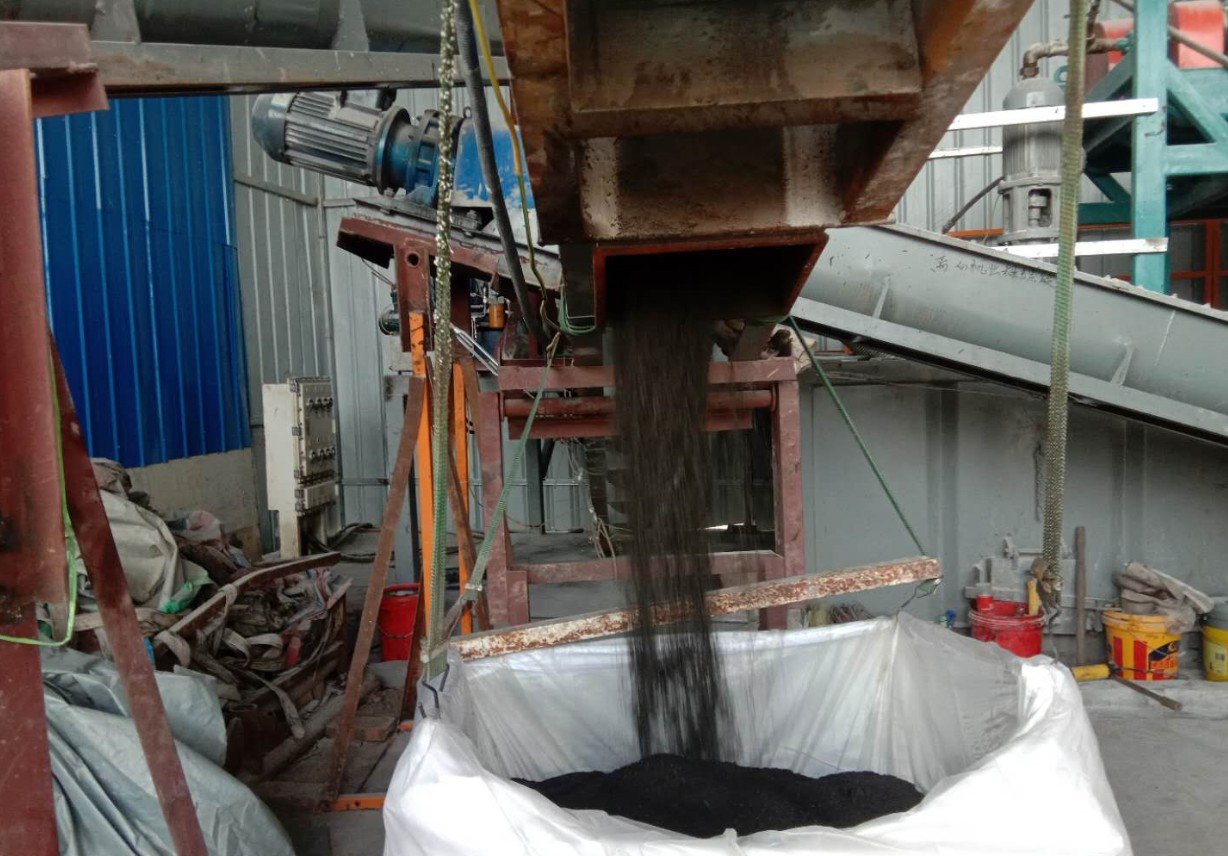
The decanter centrifuge is normally installed in the later stage of the solids control process. It removes fine solids that are difficult for shakers and hydrocyclones to separate efficiently. Under high centrifugal force, heavier solids settle against the bowl wall, while the screw conveyor discharges the solids continuously and the clarified liquid returns to the mud system. For high-density mud, horizontal wells, deep wells, and closed-loop mud systems, the centrifuge helps control low-gravity solids and reduce unnecessary dilution.
A complete solids control system also includes mud tanks, mud agitators, mud guns, centrifugal pumps, conveying equipment, and electrical control units. Mud tanks provide storage and process space, agitators and mud guns keep the fluid uniform, and pumps deliver mud steadily between each treatment stage. These components must be matched as one system rather than selected as isolated machines.

For drilling contractors and oilfield operators, the value of solids control is not limited to removing cuttings. A well-designed system helps maintain drilling fluid performance, reduce fresh mud consumption, lower chemical costs, decrease drilling waste volume, and protect pumps, drill bits, and downhole tools from excessive wear. In projects with higher environmental requirements, solids control also provides the foundation for mud reuse and drilling waste minimization.
When selecting a solids control system, buyers should consider well type, drilling fluid type, flow rate, mud weight, particle size distribution, site layout, automation level, and maintenance conditions. A practical configuration should allow the shale shaker, desander, desilter, centrifuge, tanks, and pumps to work together as a continuous treatment process.








Hot Cases
-

How a Drilling Mud Solids Control System Improves Mud Reuse
-
How an Oily Sludge Treatment System Improves Oilfield Waste Management
-
HONDIN Energy Slurry Mixers: High-efficiency slurry mixing solutions suitable for various working conditions
-
The successful delivery of hazardous waste containers helps customers achieve standardized temporary storage management of hazardous waste.
-
Reco Water quality deterioration, easy clogging, tight deadlines? This skid-mounted oilfield and fracturing flowback fluid treatment system is designed for complex operating conditions!
-
Why are engineering projects becoming increasingly reliant on mud solids control systems?
-
Environmentally friendly treatment of drilling waste – achieving full compliance with solid and liquid standards and resource reuse.
-
Exploration of Improvements to Drilling Mud Non-Drop Equipment
-
Core Advantages and Application Analysis of Coalbed Methane Well Solids Control Systems
-
Core equipment of mud-free system
-
Current Status and Improvement Measures of Drilling Fluid Solids Control Systems
-
Understanding the Mud-Free System in One Article




Add: No.462 Jinggao South Road, Gaoling District, Xi'an, Shaanxi Province, China
Mob/WhatsApp: +86 186 2931 2932/ +86 187 2900 8271
E-mail: sales@hondinchina.com

Follow us:

点击右上角
分享给朋友吧
点击右上角
分享给朋友吧
Copyright © Xi'an Hondin Energy Technology Co., Ltd. All rights reserved
Copyright © Xi'an Hondin Energy Technology Co., Ltd. All rights reserved