

Cases
Why are engineering projects becoming increasingly reliant on mud solids control systems?
Time:
2026-06-02
Why are mud solids control systems becoming increasingly indispensable in engineering projects?
Many people believe that the core of engineering construction lies in equipment capacity, construction speed, or drilling efficiency.
However, those who have actually worked on-site know that many projects ultimately fail not because of 'whether drilling is possible,' but because of whether mud management can keep up.
Especially in drilling, trenchless, pile foundation, and shield tunneling projects, once the mud system goes out of control, a series of problems will arise.
For example: excessively high sand content in the mud leads to severe equipment wear; poor mud circulation easily causes pipe blockages and mud leaks; waste mud accumulates, making the site dirty and messy; mud transportation costs are increasing; and increasingly stringent environmental inspections are putting more and more pressure on waste mud disposal.
Many projects appear to be construction projects, but in reality, they are 'fighting against mud,' and mud solids control systems are essentially designed to solve these problems.

What is a mud solids control system?
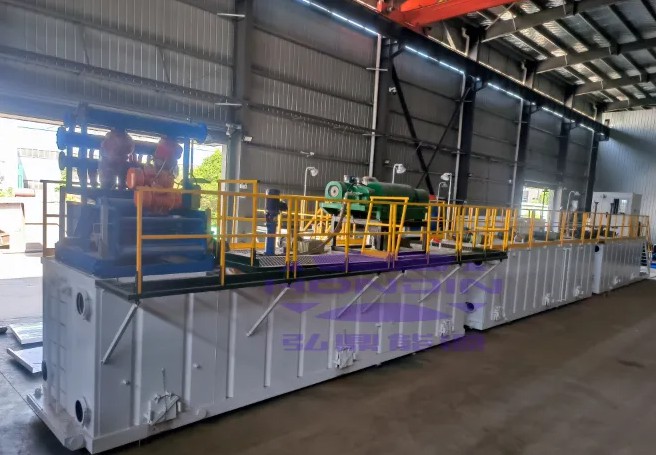
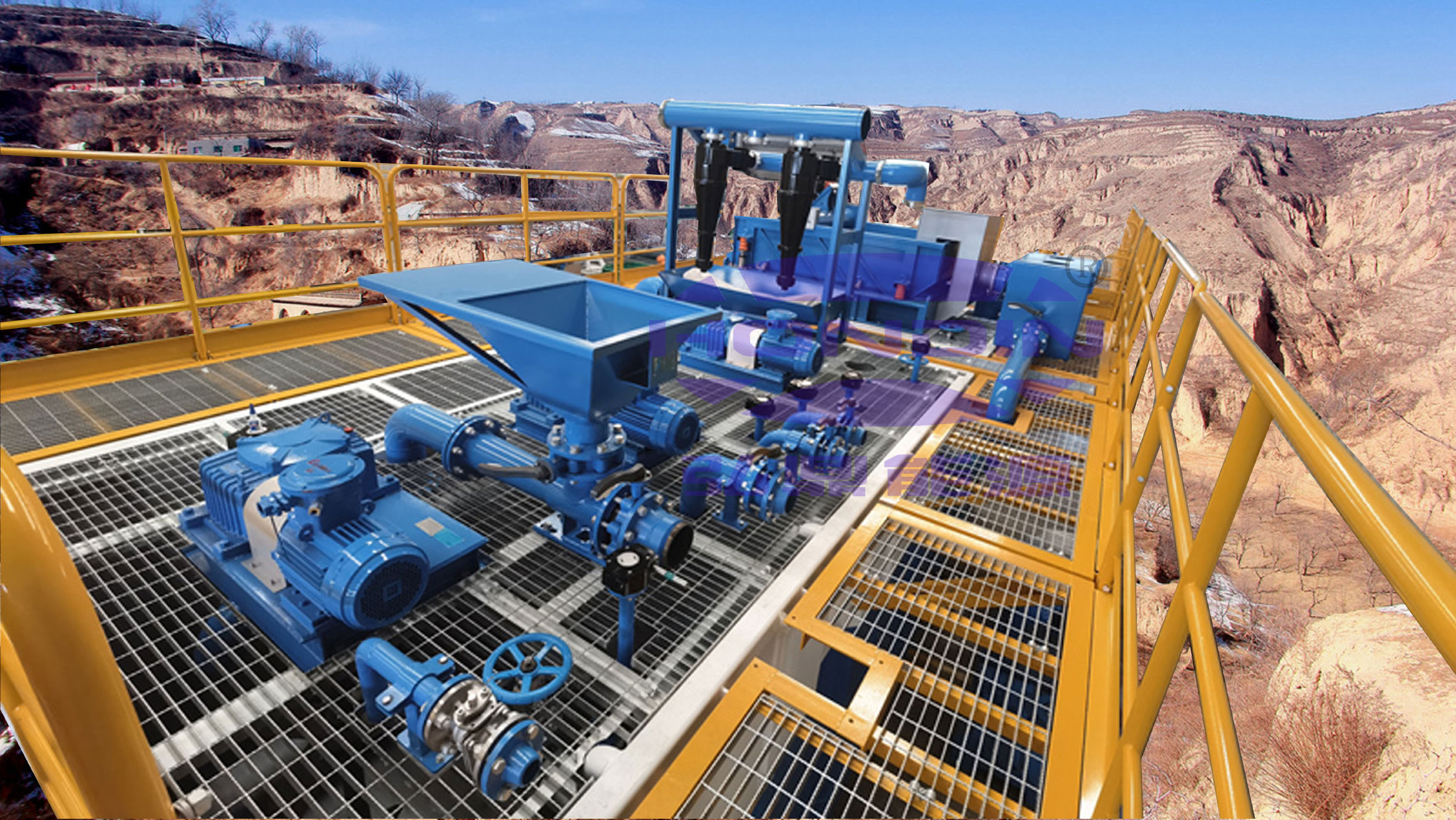
Simply put, a mud solids control system is a system of equipment for the 'separation, purification, and recycling' of mud.
Its core objectives are twofold: first, to reduce the solids content in the mud; and second, to enable the mud to be repeatedly recycled.
In traditional construction, much mud is 'used and discarded simultaneously.' Mud is replaced when it gets dirty, and dredged away when the waste mud is full.
This method wasn't problematic in the past, but now, with rising labor, transportation, and environmental costs, this extensive construction method is becoming increasingly unsustainable.
Therefore, more and more projects are adopting solids control systems.
Why are solids control systems increasingly needed on-site?
1. Rising Mud Costs
Many on-site projects previously didn't prioritize mud recycling. The result was constant mud replenishment and replacement.
Material costs, transportation costs, and labor costs are all increasing. Especially for large projects, the amount of waste mud generated daily can be staggering. One of the biggest benefits of a solids control system is improving the mud reuse rate.
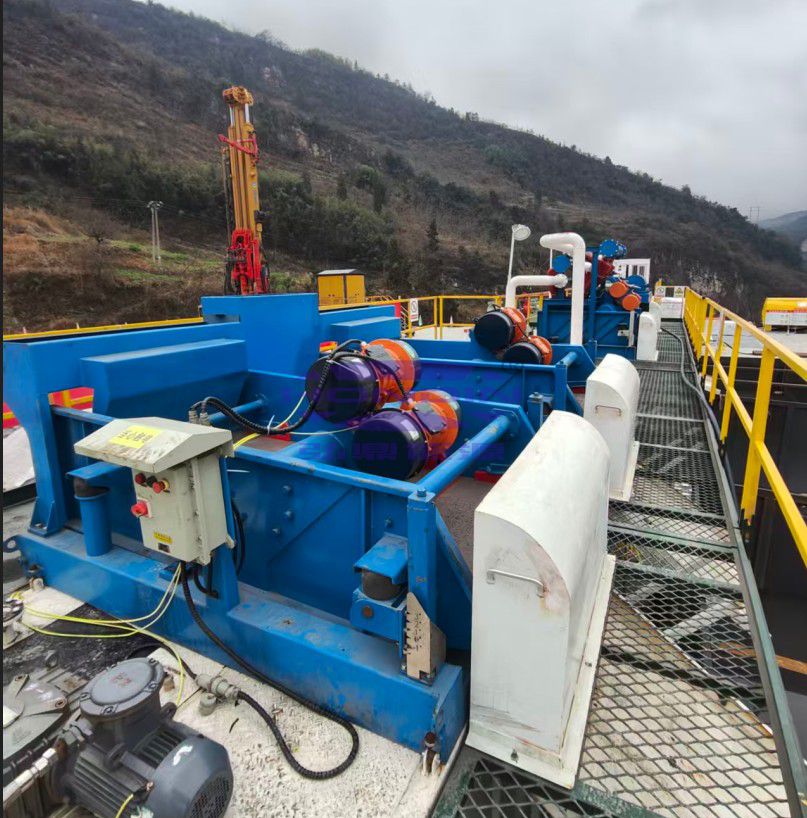
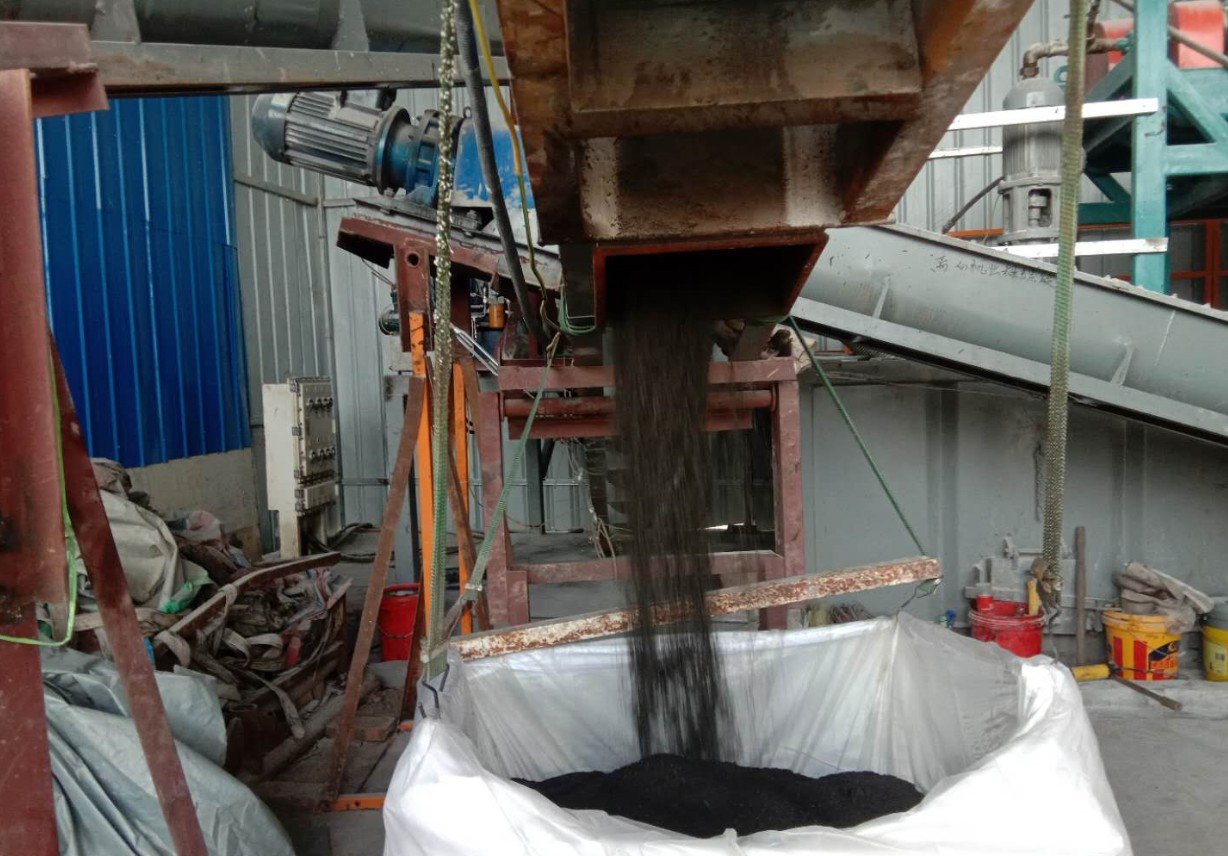
Through processing units such as vibrating screens, sand removal, and mud removal, rock debris and impurities in the mud are continuously separated out, allowing the mud to be returned to the construction system for continued use.
Essentially, this means reducing waste.
What is a mud solids control system?
Simply put, a mud solids control system is a system of equipment for the 'separation, purification, and recycling' of mud.
Its core objectives are twofold: first, to reduce the solids content in the mud; and second, to enable the mud to be repeatedly recycled.
In traditional construction, much mud is 'used and discarded simultaneously.' Mud is replaced when it gets dirty, and dredged away when the waste mud is full.
This method wasn't problematic in the past, but now, with rising labor, transportation, and environmental costs, this extensive construction method is becoming increasingly unsustainable.
Therefore, more and more projects are adopting solids control systems.
Why are solids control systems increasingly needed on-site?
1. Rising Mud Costs
Many on-site projects previously didn't prioritize mud recycling. The result was constant mud replenishment and replacement.
Material costs, transportation costs, and labor costs are all increasing. Especially for large projects, the amount of waste mud generated daily can be staggering. One of the biggest benefits of a solids control system is improving the mud reuse rate.
Through processing units such as vibrating screens, sand removal, and mud removal, rock debris and impurities in the mud are continuously separated out, allowing the mud to be returned to the construction system for continued use.
Essentially, this means reducing waste.








Hot Cases
-

How a Drilling Mud Solids Control System Improves Mud Reuse
-
How an Oily Sludge Treatment System Improves Oilfield Waste Management
-
HONDIN Energy Slurry Mixers: High-efficiency slurry mixing solutions suitable for various working conditions
-
The successful delivery of hazardous waste containers helps customers achieve standardized temporary storage management of hazardous waste.
-
Reco Water quality deterioration, easy clogging, tight deadlines? This skid-mounted oilfield and fracturing flowback fluid treatment system is designed for complex operating conditions!
-
Why are engineering projects becoming increasingly reliant on mud solids control systems?
-
Environmentally friendly treatment of drilling waste – achieving full compliance with solid and liquid standards and resource reuse.
-
Exploration of Improvements to Drilling Mud Non-Drop Equipment
-
Core Advantages and Application Analysis of Coalbed Methane Well Solids Control Systems
-
Core equipment of mud-free system
-
Current Status and Improvement Measures of Drilling Fluid Solids Control Systems
-
Understanding the Mud-Free System in One Article





Add: No.462 Jinggao South Road, Gaoling District, Xi'an, Shaanxi Province, China
Mob/WhatsApp: +86 186 2931 2932/ +86 187 2900 8271
E-mail: sales@hondinchina.com

Follow us:

点击右上角
分享给朋友吧
点击右上角
分享给朋友吧
Copyright © Xi'an Hondin Energy Technology Co., Ltd. All rights reserved
Copyright © Xi'an Hondin Energy Technology Co., Ltd. All rights reserved